
6 Tons Trackless AGV Optimizes Heavy Automotive Mold Handling
Production Challenges
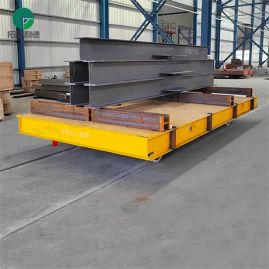
An automotive parts foundry frequently needed to transfer 6 tons heavy duty automotive die-casting molds between the die-casting area and storage area during daily production. Traditional rail guided flatcars suffered from inflexible routes and high installation costs.
Solution
To solve the customer's problems, Newld customized a 6-ton lithium battery powered trackless AGV (Automated Guided Vehicle).
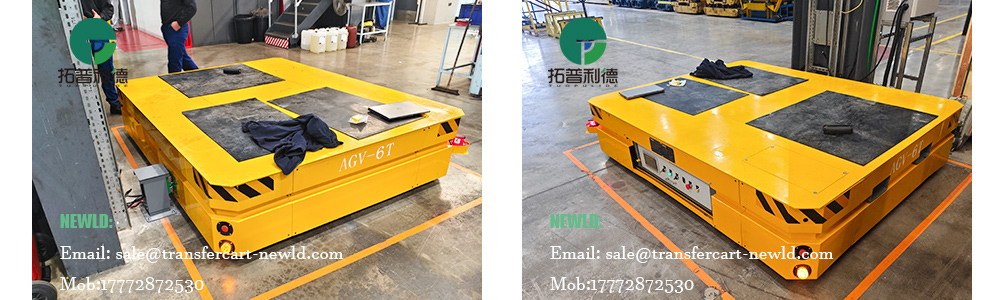
A custom-designed 2500x2000x550mm platform was used to accommodate the mold dimensions. It features high-precision steering wheels, laser sensors, and dual operating modes. Combined with built-in smart charging stations, it can cover all production points in the workshop without the need for tracks.
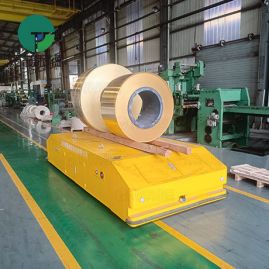
The AGV uses a cast steel frame and a high-strength flat platform, driven by steering wheels, freeing it from the constraints of tracks and cables, enabling flexible and unrestricted movement throughout the factory.
Advantages
- Safe and Efficient: Integrated with laser obstacle avoidance sensors, an emergency stop button, and audible and visual warning lights, providing multiple layers of safety protection.
- Green and Convenient: Lithium batteries paired with smart charging stations ensure worry-free battery life; supports wireless remote control, touchscreen, and LED screen real-time monitoring, making operation easy.
Applications
After deployment, the AGV can directly pick up molds from the die-casting machine's unloading point, autonomously plan the optimal route for transporting them to the finishing workshop or finished product warehouse.
It automatically avoids workers and material racks, and can turn on the spot in narrow passages. No manual supervision is required; operators can monitor the progress of all transport tasks from the central control room.
This 6 tons lithium battery powered trackless automated guided vehicle meets the heavy duty transport needs of automotive die-casting molds, helping companies improve workshop transport efficiency, reduce reliance on traditional fixed transport routes, and provide a flexible and environmentally friendly transport solution for upgrading production workshop logistics.